

In today’s rapidly evolving world, technology is no longer confined to offices, laboratories, or industrial facilities. Instead, it has become deeply woven into our daily lives, shaping the way we live, communicate, work, and interact with our surroundings.
Where Innovation Meets Everyday Life
The modern home is undergoing a remarkable transformation. What was once considered futuristic has quickly become a practical reality. Smart lighting systems adjust according to personal preferences, voice assistants help manage daily schedules, and connected devices create seamless experiences throughout the home.
This convergence of technology and lifestyle reflects a broader cultural shift. People are no longer looking for technology simply because it is advanced. They seek solutions that simplify routines, improve comfort, and support a more balanced way of living.
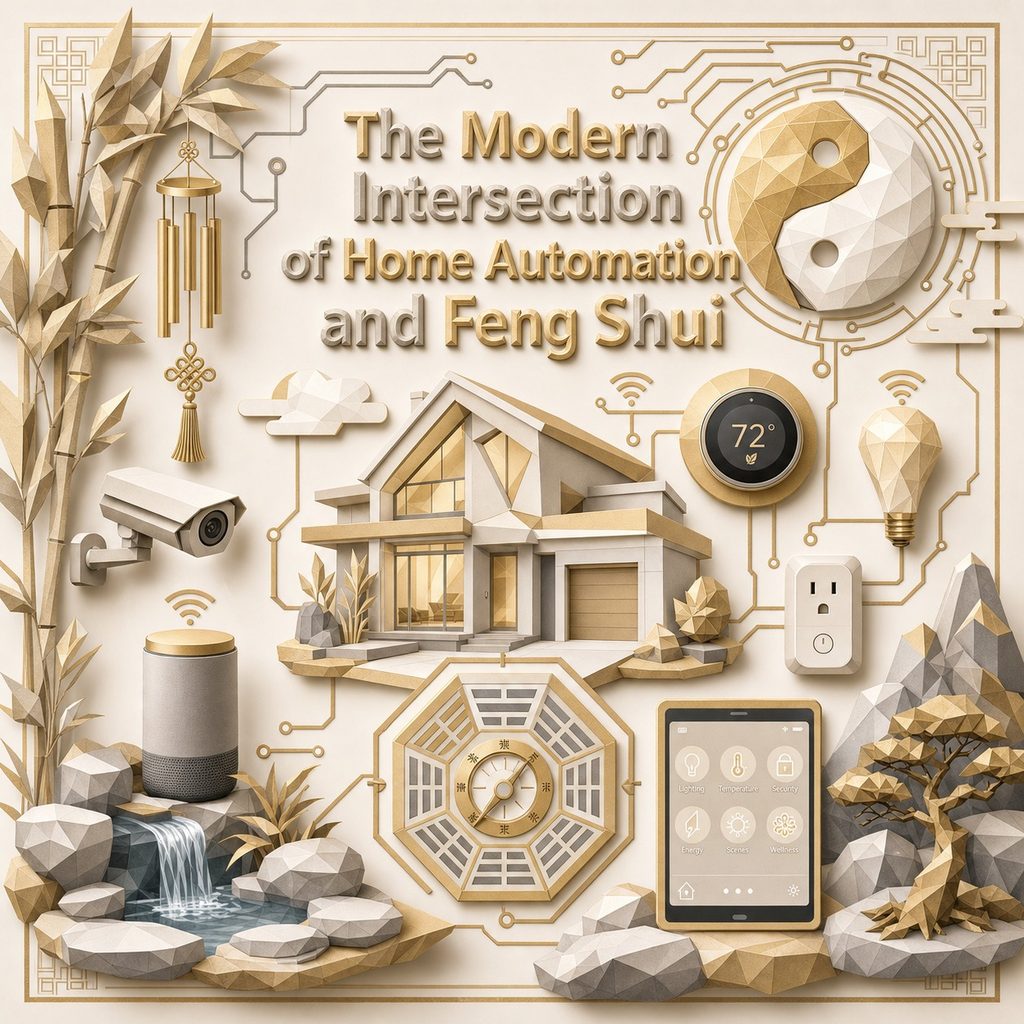
The Rise of Intelligent Homes
Smart home technology has experienced significant growth over the past decade. From automated security systems to energy-efficient climate control, intelligent devices are helping homeowners achieve greater convenience while reducing unnecessary resource consumption.
Modern smart homes can learn habits, anticipate needs, and provide real-time insights. A thermostat can optimize energy usage based on occupancy patterns, while security cameras deliver instant alerts when unusual activity is detected. These innovations empower homeowners with greater control and peace of mind.
Designing Spaces for Human Well-Being
Technology is most effective when it enhances human experiences rather than complicates them. Today’s designers and technology developers increasingly focus on creating environments that promote well-being, productivity, and comfort.
Natural lighting, ergonomic furniture, indoor air quality monitoring, and smart environmental controls are becoming essential elements of contemporary living spaces. By integrating these features thoughtfully, homeowners can create environments that support both physical and mental wellness.
Sustainability Through Smart Solutions
One of the most important benefits of modern technology is its ability to contribute to sustainability. Smart energy management systems help reduce electricity consumption, while connected appliances optimize performance and minimize waste.
As concerns about environmental responsibility continue to grow, technology offers practical solutions that enable individuals and families to make more sustainable choices without sacrificing comfort or convenience.
The Future of Connected Living
Looking ahead, the intersection of technology, design, and lifestyle will continue to evolve. Artificial intelligence, advanced automation, and predictive analytics are expected to make homes even more responsive to human needs.
Future living spaces may automatically adapt to changing weather conditions, health requirements, and personal preferences. The goal is not merely automation but the creation of environments that actively support a better quality of life.
Leave a Reply